How Much Do Commercial Pilots Make
Commercial Pilot vs. Airline Pilot: What’s the Difference?
The term "commercial pilot" refers to anyone who holds a Commercial Pilot License (CPL) and is authorized to be paid for flying. However, not all commercial pilots work for airlines.
Commercial pilots can be employed in various roles, including:
- Flight instructors.
- Charter or corporate pilots.
- Agricultural or aerial survey pilots.
- Banner towing or sightseeing flights.
To fly for an airline as a first officer or captain, you’ll need an Airline Transport Pilot (ATP) certificate, which requires additional flight hours and qualifications. Learn About the ATP Requirements.
How Much Do Airline Pilots Make?
Airline pilot salaries vary based on experience, aircraft type, and the airline itself. Here's a general breakdown for 2025:
Regional Airline First Officers (Entry-Level)
- Starting salary: Around $60,000 to $90,000 per year.
- Some regional airlines offer sign-on bonuses and tuition reimbursement to attract qualified pilots.
Regional Airline Captains
- Earnings increase to $100,000 to $160,000+ depending on time in role and equipment flown.
Major Airline First Officers
- First officers at major carriers typically earn between $120,000 and $200,000+
Major Airline Captains
- Senior captains flying wide-body aircraft can earn $250,000 to $400,000+ annually, with some surpassing these numbers based on flight hours and longevity. Train to Become an Airline Pilot.
What Factors Affect a Pilot’s Salary?
Pilot salaries are influenced by several key factors:
- Seniority: Pay increases significantly with each year of service at an airline.
- Aircraft type: Larger and more complex aircraft often come with higher pay.
- Flight hours: Pilots with more experience and logged hours have access to higher-paying roles.
- Union contracts and company pay scales: These define how pilots are compensated at different ranks and stages.
- Base location: Pilots based in major hubs may receive additional incentives or cost-of-living adjustments.
At Aviator Zone Academy, we help you build your flight time efficiently and professionally, so you’re ready to qualify for higher-paying roles faster. Explore Our Hour-Building Programs.
Do Pilots Get Paid During Training?
No, student pilots do not earn a salary during their training. However, some regional airlines offer financial incentives once you reach key milestones, such as completing your CFI certification or receiving a job offer through a pathway program.
Many students begin earning income by working as Certified Flight Instructors, which also helps them build flight hours toward their ATP certification. Become a Certified Flight Instructor.
Is a Career as a Pilot Worth It?
While the training requires dedication, time, and financial investment, the long-term earning potential of a career in aviation is significant. In addition to salary, airline pilots often receive:
- Health and retirement benefits
- Travel privileges for themselves and family
- Schedule flexibility
- Job stability with growing global demand for qualified pilots
With a clear path and the right support, becoming a pilot is not only achievable—it’s a career that continues to grow with you. Start Your Training Today
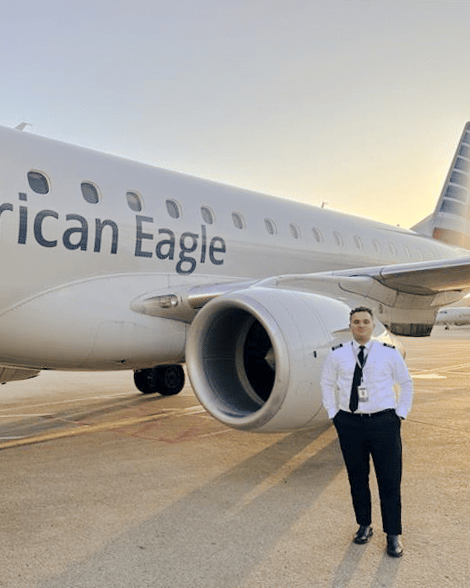
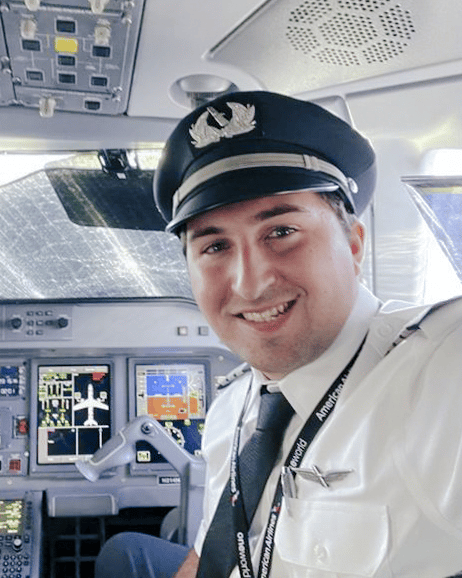
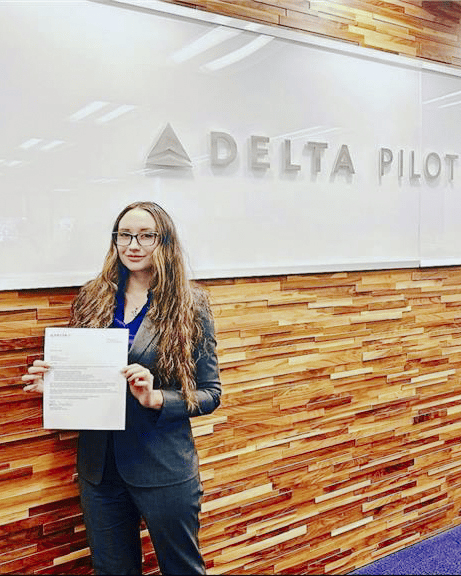
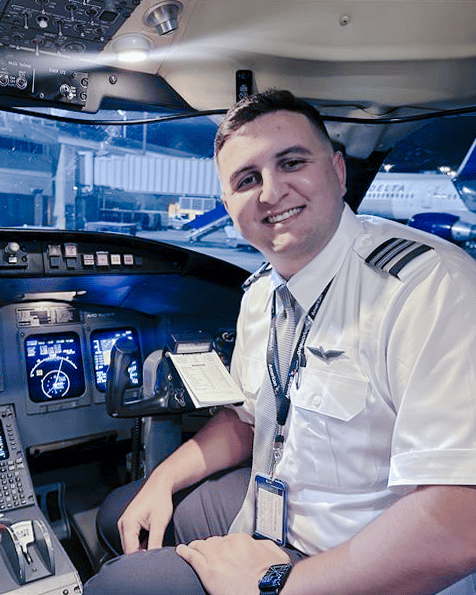
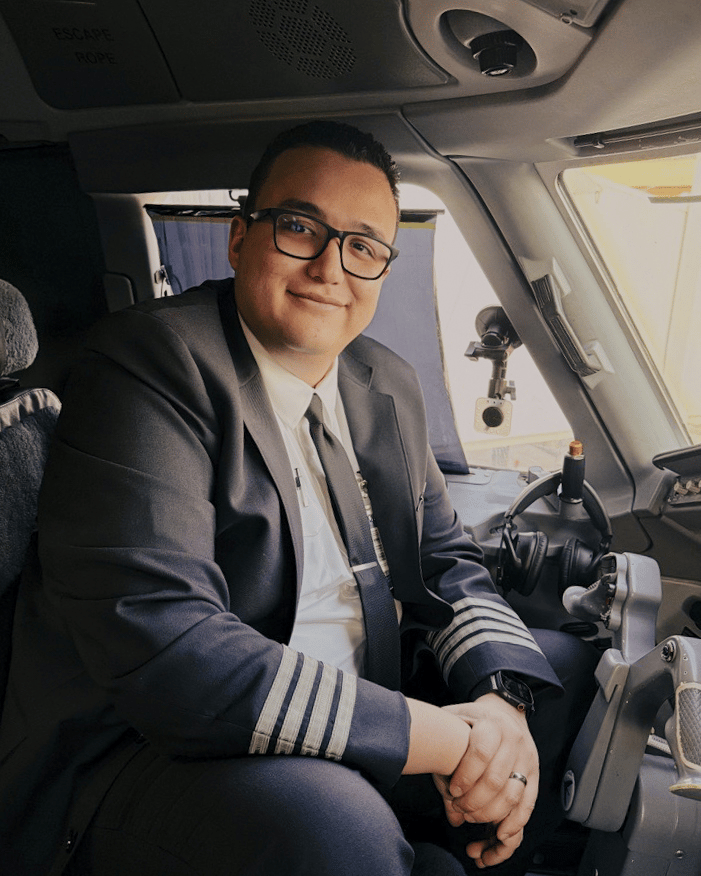
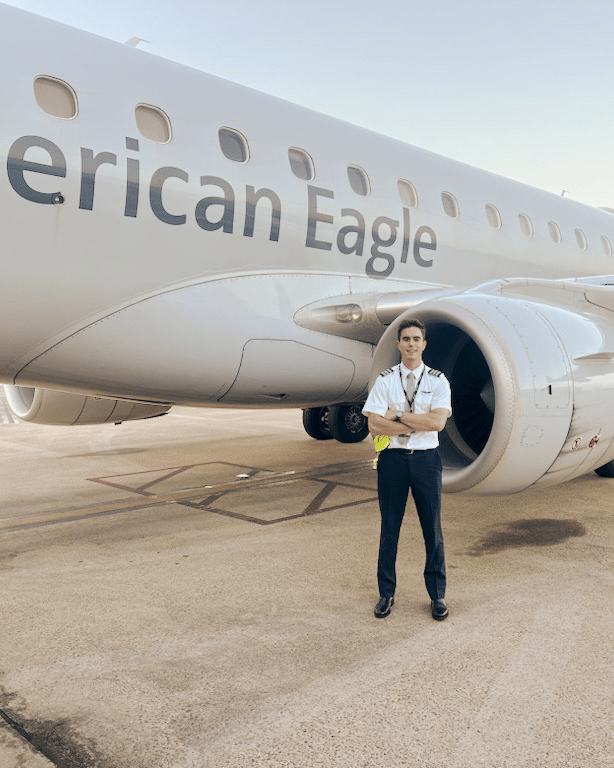
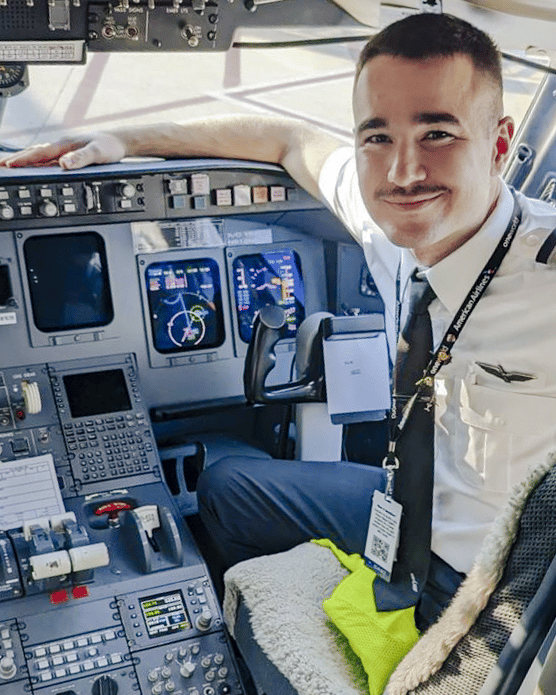
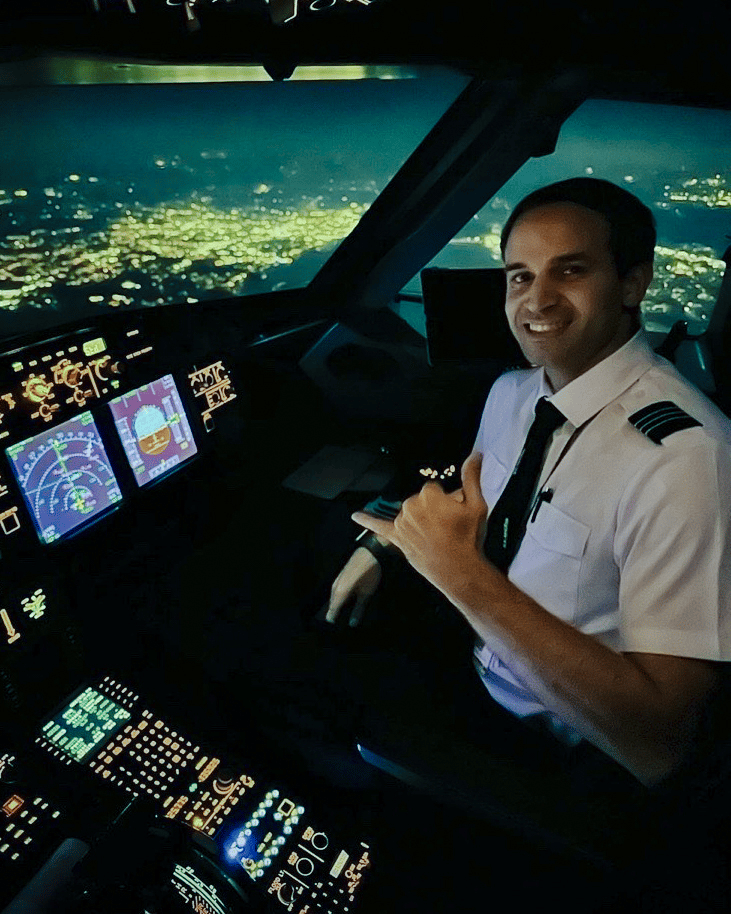
From Students to Airline Pilots
Marinella Ballesteros
Tomislav Egui
Garrett Duell
Fernando Mendez
Elijah Wessel
Rigel Martinez
Andy Padron
Meet with an Advisor
We understand choosing the right flight school and the right path can be daunting. Schedule a meeting with our admissions team so we can answer any questions.
Schedule a meeting with our admissions team. Booking opens in a new tab.
Embedded calendar loads on aviator.zone after DNS cutover. Staging is blocked by Central frame policy (optional: allowlist this host in Central CSP).
Download our FREE Guide
Choosing the right school is difficult when you don't know the questions to ask. Download our in-depth guide on what you need to be looking for and the questions to ask.
Talk to an advisor to receive the free guide — form embed disabled on staging.